engineersheaven's Idea / Prospect
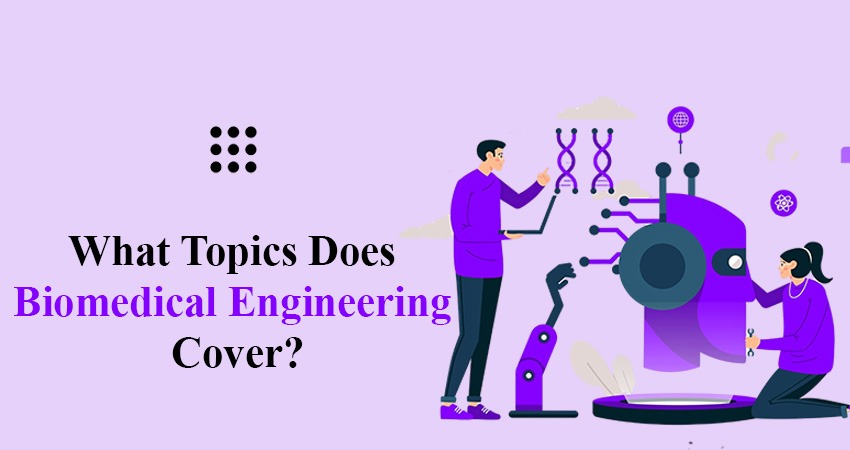
Biomedical engineering is a broad and exciting field. It combines the principles of engineering with the medical sciences to enhance healthcare. It is critically important in modern medicine, from advanced prosthetics to life-saving imaging systems.
Overview of Biomedical Engineering
If you are someone who is looking to enter the field of biomedical engineering and enjoy all facets of mechanical engineering and medicine, then Engineer's Heaven hopes to help you navigate the new and dynamic world of biomedical engineering! This blog aims at providing you with the core concepts included in this area.
Personalized medicine, genomics, and gene therapy
Medical imaging is one of the most vital aspects of biomedical engineering. Imaging techniques such as MRI, CT scans, and ultrasound assist healthcare providers in the accurate diagnosis of illnesses. It is heavily based on physics, signal processing, and artificial intelligence to generate clear medical images.
They are also biomedical engineers who help enhance imaging quality, minimize radiation hazards, and increase device efficiency. Modern medicine would face tremendous challenges regarding early disease detection without these innovations.
Prosthetics and Bionics
Thousands have revolutionized hundreds of millions of lives with prosthetic limbs and bionic implants. Scientists create prosthetic limbs that closely replicate natural movement. A few even link to the nervous system, giving users the ability to control using their thoughts.
Bionics go beyond limbs. Some of these implants serve the blind (retinal implants), and others restore hearing (cochlear implants). These technologies are being updated and secured by biomedical engineers, making them more effective and available.
Tissue Engineering and Biomaterials
The human body is complicated, and even replacing damaged tissues is a huge hurdle. This is why there are biomaterials and tissue engineering—scientists design materials happy in your body that can be used as artificial skin, bone grafts, or heart valves, for example. That would be tissue engineering. Stem cells can be used to grow human tissues in laboratories. Hopefully the next step would be growing whole organs to avoid the need for organ transplantation. The field is at the forefront of medical innovation.
Med Devices and Wearable Tech.
Biomedical engineers create medical equipment that facilitates treatment and patient monitoring. Trainable examples include pacemakers, insulin pumps, and dialysis machines. These devices treat chronic diseases and improve patient outcomes.
The field of wearables is another burgeoning one. Smartwatches and fitness trackers measure heart rate, oxygen levels, and, increasingly, early signs of disease. Engineers are trying to make these devices more accurate and reliable.
Biomechanics & Rehabilitation Engineering
Biomechanics deals with the movement and function of the body. Engineers study how things move and use this information to create solutions for people who struggle with mobility. Rehabilitation engineering develops assistive technologies, such as robotic exoskeletons and ergonomic chairs.
These advances are assisting stroke patients in recovering movement and enhancing the quality of life for people with disabilities. This field is expanding the realm of the possible by combining engineering with human biology.
Scientists are also considering methods to build synthetic organs and tissues via genetically engineered cells. The potential is immense, making this one of the brightest fields within biomedical engineering.
Artificial Intelligence & Machine Learning in Healthcare
Data science is revolutionizing healthcare. Biomedical engineers design AI-assisted diagnostic software, predictive algorithms, and robotic surgical equipment. This includes using AI to analyze complex medical data, which enhances both the decision-making process and the accuracy of the results.
They help with detecting diseases, planning treatment, discovering drugs, etc. These innovations help streamline processes in the medical field, which minimizes human errors and leads to better patient outcomes.
Biomedical Engineering: The Future Image of the Profession
The future of medicine is being shaped by biomedical engineering. We can anticipate more intelligent devices, precision treatment, and going in bioengineered organs.
We offer techniques and career advice on biomedical engineering topics at Engineer's Heaven. From innovators looking to deepen their understanding of the field to novices starting their careers, we make sure you have all the resources you need.
(Disclaimer: This statistics could be different in different part of World and Different timeline. this statistics has been generated based on data available till 2025 or relavant time span.)
.jpeg)
Civil engineering is an ever-changing field in the construction industry. Civil project managers are responsible for making all decisions regarding a large construction project from conception to completion and managing budgets.
Becoming a civil project manager means mixing technical ability, leadership, and project management skills.
Engineer's Heaven is here for you every step of the way in your engineering career. If you are just starting off, here’s a map to becoming a civil project manager.
Understanding the Role
Civil project managers are responsible for executing, planning, and completing construction projects, which can include tunnels, bridges, dams, and buildings. Their work involves negotiating budgets, collaborating with project teams, ensuring that legal requirements are met, and ensuring that safety standards are observed.
Since you will stand between engineers, architects, contractors, and stakeholders, your leadership and communication skills will be just as important as your technical qualifications.
Educational Pathway
In order to become a project manager for civil project manager requirements, there’s no easy way: You must obtain at least a Bachelor’s degree in Civil Engineering (B.E.). Some professionals will also go on to acquire master’s degrees in project management or construction management. At Engineer’s Heaven, we recommend the following areas in particular:
● Hydraulic Engineering
● Urban Studies
● Policies for Future Planning and Development
● Environmental Engineering
The theoretical and foundational education involved in these subjects equips you with the tools to resolve problems and make decisions in complex projects.
Gaining Practical Experience
However, a degree by itself is not enough! In today's competitive environment, only the experienced need apply. Most companies will look for professionals with 5-10 years of experience on the ground before promoting them into management roles.
Each of us starts as a site engineer or a junior civil engineer. Study with senior engineers who possess extensive experience with project workflows in the field. Work on more projects, and you will gradually develop an expertise for managing challenging situations.
Learning Project Management Skills
Above everything else, managing a project is a matter of knowing. A civil project manager wants skills, for instance, in managing time:
● No shelling out by the end of the week and avoiding cutting corners altogether.
● In addition to these functions, a functionary also must have the ability to persuade subordinates that their work identifies with his own and not vice versa.
● When making sure you have no more than enough funding on account (or under), if anything goes wrong.
We use our expertise to help engineers on an individual basis with all these essential skills at Engineer's Heaven.
Certifying Yourself
Certifications boost your credibility and make you stand out in the industry. Some certificates to consider would include ones like:
● Certified Construction Manager (CCM)
● Lean Construction Certification
● Project Management Professional (PMP)
● Primavera P6 Certification (For project scheduling)
Not only do these certs make a great addition to your resume, but they also add to what you know of good project management in practice.
Getting Up-To-Date with Construction Software Tools
A civil project manager must have an expert command of standard industry software. Some of those tools include:
● AutoCAD -- For drafting and designing.
● Revit -- For Building Information Modeling (BIM).
● MS Project / Primavera P6—For scheduling and planning.
● SAP2000 / STAAD Pro—For structural analysis.
If you are newly coming to grips with these tools, Engineer's Heaven will provide courses and guidance to help you educate yourself.
Networking and Industry Exposure
Entrenched businessmen say contacts mean everything in business. Frequent:
● Civil Engineering Conferences
● Construction and Infrastructure Summits
● Industry Workshops and Training Programs
Association with bigwigs in the industry can open up new possibilities for your career. Here at Engineer's Heaven, we want engineers rubbing elbows with mentors and joining professional organizations like ASCE (American Society of Civil Engineers) or ICE (Institution of Civil Engineers).
Applying for Civil Project Manager Roles
Once you have got the necessary qualifications, you need:
● A resume: When writing a resume, it is important to highlight various projects and character traits that showcase your technical talent or certifications.
● Showcasing your skill: During the interview, it is important to tell how you have resolved problems.
In Engineer's Heaven, we will help engineers prepare for interviews and provide a brief synopsis on how to conduct oneself in interviews. We help them focus on the most relevant initial avoidance and experience how to get hired. We will even offer a service where we do everything for you!
Final Thoughts
Becoming a civil project manager is a long road of education, experience, and continuing education. It combines making good on technical expertise with entrepreneurial ability, as one person does all the work for his or her company instead of hiring out what needs to be done. Life
At Engineer's Heaven, we will give you an extra boost with a full range of aptitude tests. This lets you take the first step in your career toward becoming a civil engineer.
(Disclaimer: This statistics could be different in different part of World and Different timeline. this statistics has been generated based on data available till 2025 or relavant time span.)

The world of automotive engineering is changing so rapidly today. Today's industry is going from electric vehicles to driverless cars, all designed in previously unseen ways. As a result, the engineer is always the one running out in front. To keep ahead of the pack, you must constantly learn.
Online courses are a perfect way of doing that. Take a course from wherever and whenever you want, upgrading your technical and professional competence. Which automotive engineering courseis right for you? With so many choices available, picking the right one can be arduous.
Why Choose Online Automotive Engineering Courses?
Online learning offers flexibility, affordability and access to international expertise. Whether you are a student, a seasoned professional, or simply an enthusiast, these courses can help you:
- Master the newest automotive technology.
- Study with industry leaders.
- Obtain practical experience through hands-on projects.
- Advance your career with certification from top institutions.
Now let's look at the best courses on offer.
- Vehicle Dynamics by SAE International
Platform: SAE International
Self-paced
Key Topics: Suspension, steering, ride comfort, handling
This course is essential for anyone who wants to understand how cars move. It covers everything from fundamental physics to advanced dynamics. Included are topics on the effect suspension and steering have on performance. The course is beneficial to professionals wishing to enhance their technical skills.
- Electric Vehicle Fundamentals by Coursera
Platform: Coursera (Offered by Delft University of Technology)
Duration: 6 weeks
Key Topics: Battery technology, electric motors, energy management
Given the impending arrival of electric cars (EVs), this course provides fundamental knowledge. It describes how EVs work, how energy is stored in batteries and the paradigm by which motors mainly convert power into motion. This course is an excellent starting point if you want to enter the EV industry.
- Automotive Embedded Systems by Udemy
Platform: Udemy
Duration: 8 hours
Key Topics: Embedded C programming; automotive controllers; CAN protocol
Modern cars are heavily dependent on embedded systems. This course shows you how software affects vehicle functions. Today, just by paying attention in class, you will learn about sensors, microcontrollers and communication protocols like CAN. For those who want to get a foot in the door of automotive software design shortly, this is indeed an excellent course
- Internal Combustion Engines by MIT OpenCourseWare
Platform: MIT OpenCourseWare
Duration: Self-paced
Key Topics: Engine thermodynamics, fuel combustion, emissions
Combustion is the birthplace of the engine. This free course offered by MIT will allow us to analyze internal combustion engines (ICE). It tells us how fuel burns, how heat changes into power and how emissions are controlled. If you want a solid grounding in traditional engine technology, this course is priceless
- Autonomous Vehicle Engineering by edX
Platform: edX (Offered by Columbia University)
Duration: 12 weeks
Key Topics: AI in self-driving cars, sensor technology, path planning
Self-driving cars are the way of the future, and this course covers a great deal about them. This course is valuable if you are interested in artificial intelligence (AI) and want to go deep into sensors that allow vehicles to drive autonomously.
- Automotive Design and Manufacturing by Alison
Platform: Alison
Duration: 5-6 hours
Key Topics: Car design, manufacturing processes, material selection
This free course explains how cars are designed and manufactured. It covers the whole manufacturing process, from a design sketch to building the final product. Whether or not you are interested in automobile design, this course will offer you a good foundation.
How to Choose the Right Course?
The proper course depends on what your goals are. Ask yourself:
- Do I want to learn about traditional engines or electric vehicles?
- Am I interested in software, design, or manufacturing?
- Do I need a certificate of some kind for my career?
If you are not sure, Engineer Heaven can help you. Our platform provides guidance and recommended resources for all levels of engineers, from pros to newbies.
The final word
The automotive industry is changing rapidly, and to stay up to date is not a choice but a necessity. In online courses, you can learn what is needed, whether your ambitions lie with electric cars, self-driving technology or traditional.Visit Engineer's Heaven today to findthe best resources and advice in automotive engineering career management. Start learning. Stay ahead. Drive the future.
(Disclaimer: This statistics could be different in different part of World and Different timeline. this statistics has been generated based on data available till 2025 or relavant time span.)
.jpeg)
Electronics and Communication Engineering (ECE) are omnipresent. Whether through satellites or smartphones, from medical devices to high-speed internet, ECE energizes the contemporary world. So, what do electronics and communication engineers even do?
We guide future engineers in making their careers. If you're interested in ECE, this guide will explain ECE in the most straightforward and basic way possible.
The Core of ECE
Electronics and communication engineers develop and maintain electronic systems. They are responsible for ensuring that communication is seamless, that signals are processed accurately, and that data is transmitted reliably. They are the bridge between hardware and software, ensuring perfect technology work.
1. Designing and Developing Electronic Circuits
All the gadgets you use—smartphones, laptops and even smartwatches—use electronic circuit boards. Engineers create these circuits to do one specific task. They design new devices using semiconductors, microprocessors and sensors.
2. Communication Systems and Networks
Now imagine there was no internet, mobile network, or satellite communication. ECE professionals ensure that these systems operate smoothly. They deal with signal transmission, the optimization of networks, and technology for wireless communications. Their expertise, whether 5G, optical fibre communication, or satellite telecommunications, keeps us connected.
3. Embedded Systems and IoT
Your smart TV, home automation system, or even a new car are all equipped with embedded systems. These are small bits of computing inside devices. They are designed and programmed by ECE engineers to make things more efficient. The Internet of Things (IoT) makes it a more interesting field to this обо.
4. Robotics and Automation
This is no longer science fiction: Robotics is a reality. Computer scientists create smart devices that can serve in various industries, health, or space. They combine sensors, AI, and machine learning to develop automated systems that increase efficiency.
5. Machine Learning and Signal Processing
Data is the new gold. Signals—audio, video, and digital data—are analyzed and processed by engineers to enhance communication and security. Artificial intelligence (AI) and machine learning have broadened the horizons of ECE by enabling systems to become intelligent and more endurable.
6. Semiconductor and Chip Design
Microchips are the stuff of the digital age. Engineers in this field focus on making highly efficient and compact chips, from computer processors to memory storage. This domain is central to improvements in computing and artificial intelligence.
Career Opportunities in ECE
Electronics and Communication Engineering is a vast field. Graduates can find employment in a wide array of industries, such as:
- Telecommunication — Mobile networks, satellite communication, fibre optics
- Consumer Electronics – Smartphones, laptops, wearables
- Aerospace & Defense – Radar system, navigation, military communication
- Health Technology – Medical imaging, diagnostic devices, wearable health monitors
- Automotive – There are electric vehicles, automation, and sensor integration
- Data Science and AI – Intelligent systems, predictive modelling, neural networks
With technology growing, ECE experts are in demand everywhere in the world. It sets the stage for either working at a tech giant or pursuing your innovations.
Why is ECE the Future?
We live in an increasingly digital world. As AI, 5G, smart devices, and automation revolutionize industries, ECE engineers lead the way. This is not a field of upgraded gadgets. It's about creativity, excellence and solving real-world problems.
At Engineer's Heaven, we provide resources and training for Engineers. From project ideas to interview tips to career advice, our platform has you covered.
Conclusion
Communication and Electronics Engineering is a very colourful and entertaining area of science. It combines creativity with technical know-how at the heart of innovative technology. If you like innovation and solving problems, consider an ECE career. Got more questions about the world of engineering? Go to Engineer's Heaven and begin your journey into the future!
(Disclaimer: This statistics could be different in different part of World and Different timeline. this statistics has been generated based on data available till 2025 or relavant time span.)
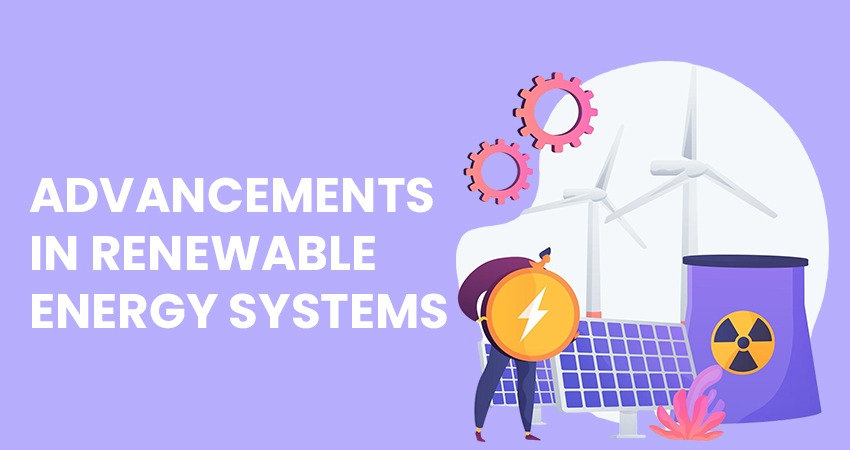
The world is changing fast. Energy demands soar to new heights. But conventional sources are drying up. Fossil fuels harm the planet. The solution? Renewable energy. It is infinite, renewable, and green. Solar Power: The Rising Star Solar energy is booming. Prices have plummeted. Efficiency has never been higher.
- Perovskite Solar Cells: These are changing the game. They are also cheaper, lighter , and more flexible than silicon panels. Now , scientists are turning their attention to commercializing them for general use.
- Floating Solar Farms:The land we have is limited. But bodies of water allow for space. Solar panels mounted on rafts on lakes and reservoirs generate power without occupying land. This type of technology is being heavily invested in by countries such as China and India.
- Solar Windows: Rethink buildings that generate their electricity. It is now possible with transparent solar panels. Skyscrapers may soon serve as power plants.
Wind: Bigger and Better
Wind power is no longer just about giant turbines in open fields. Innovations are increasing its efficiency and making it more accessible.
- Vertical Axis Wind Turbines (VAWTs): Unlike traditional turbines, these can work well in cities. They take up less room and can catch wind from all angles.
- Floating Wind Mill:Deep-sea wind farms are the new big thing. Conventional turbines require shallow seas. But floating turbines can be deployed anywhere in the ocean. They take advantage of stronger, steadier winds.
AI and IoT are bringing smart turbine maintenance needs that are predicted by sensors. Machine learning optimizes blades for optimal performance. It minimizes downtime and increases production. Hydropower: Old but Gold One of the oldest renewable sources is hydropower. But it's adapting to the technology of the time.
- Pumped hydro: Surplus energy pushes water uphill. Later, it runs down, generating electricity as needed.
- Run-of-River Hydropower: Dams damage ecosystems. It utilizes natural river flow. It generates electricity with a low carbon footprint.
- Tidal and Wave Energy: Oceans cover 70% of Earth. Their power is immense. New designs are harnessing energy from tides and waves. Countries like the UK and Canada are pioneering on this front.
Biomass and Biofuels: Nature's Power
Organic waste can be turned into energy. Resourceful organic waste The comeback of biomass and biofuels.
- Algae Biofuel Algae grow rapidly and need little space. They generate biofuel without competing for food crops. Researchers are increasing production for commercial use.
- Waste-to-Energy Plants: Garbage is a problem. But new technology turns waste into electricity and biofuels. This system is being adopted in cities all over the world to combat landfills.
- Advanced Biogas Systems: Organic waste comes from farms and food industries. New digesters transform it into methane that can be used to produce energy. Raising fewer cattle means less waste and emissions.
Energy Storage: The Big Deal
Renewable power is not always there. It doesn't shine at night. The wind doesn't always blow. And that's where energy storage solves the problem.
- Solid-State Batteries: these are more durable, charge faster, and are safer than lithium-ion batteries. Companies are scrambling to bring them to market.
- Gravity energy storage: Heavyweights are lifted using excess power. They fall later, generating electricity. This fundamental method will give you long-term storage.
- Hydrogen Fuel Cells: Hydrogen acts as an efficient storage medium for excess energy. When power is required, fuel cells convert it back into electricity. A lot of people think we could be powered by hydrogen in the future.
- Smart Grids: The conventional power grid is archaic. They don't deal well with variable renewable power. This is why smart grids are essential. AI helps smart grids balance supply and demand. This helps avoid blackouts and increases efficiency.
- Blockchain in Energy: Blockchain assures secure energy transactions. It allows for energy trading to be transparent and automated. Companies are starting to deploy this technology.
The Road Ahead
The future of energy looks bright. Renewables Become More Efficient, Affordable, and Accessible Transitioning to green renewable energy systems is not a choice now. It is a necessity. We at Engineer's Heaven are ahead of the curve. We'll be bringing you the latest on technology, engineering, and sustainability. So, keep an eye out for more energy insights that we have with us in the future. Together, we can create a cleaner, greener world! (Disclaimer: These statistics could be different in different parts of the world and on different timelines. These statistics have been generated based on data available till 2025 or a relevant period.)
(Disclaimer: This statistics could be different in different part of World and Different timeline. this statistics has been generated based on data available till 2025 or relavant time span.)

We live in the world of big data. Businesses, governments, and researchers use it to identify patterns, inform decisions, and optimize processes. But working with big data is no easy task. Both traditional storage and processing methods fail when the data becomes too large. This is where cloud computing in big data analytics comes in very handy.
Big data analytics has immensely improved with the help of cloud computing. It offers flexible, scalable, and cost-effective solutions. Enterprises no longer have to spend on costly hardware. Instead, they can process data quickly and efficiently using cloud platforms.
We discuss new technologies that are helping to change the way of life at Engineers Heaven. This blog will explore how cloud computing improves big data analytics and makes it the best choice for modern data-driven industries.
What is the Role of Cloud Computing in Big Data
It demands enormous storage and computing power. Cloud computing offers both. It enables companies to store and work with vast amounts of data without physical infrastructure. Rather than purchasing servers, companies can rent servers from cloud providers.
Cloud platforms provide resources on demand. Companies can expand or contract as required. Cloud computing is an ideal solution for big data analytics because of its flexibility.
benefits of cloud computing in big data
- Scalability and Flexibility
Big data workloads fluctuate. For some companies, they may require tremendous computing power on certain days. On other days, it may need less. And so does cloud computing. Organizations can also scale resources up or down in real-time. This saves waste and costs money.
- Cost-Effective Solutions
The cost of setting up a traditional data center is high. It needs hardware, upkeep , and IT personnel. These costs are eradicated with cloud computing. Businesses receive a utility price only for what they consume. This pay-per-use model certainly lowers the costs of big data analytics.
- High-Speed Processing
Powerful computing is required because data analytics is needed. Cloud platforms use distributed computing systems. This means information is processed and streamed concurrently between multiple servers across the group. The result? Faster insights & faster decision-making.
- Complex Interactions with AI and Machine Learning
AI and ML models are often found in big data. These technologies thrive in the perfect environment provided by cloud computing. That means cloud providers offer built-in AI tools that help businesses analyze their data more effectively. It leads to more accurate data-driven predictions.
- Accessibility and Collaboration (Remote)
Data teams typically operate in remote environments. Cloud computing allows access from anywhere. Workers can derive insights from data anywhere around the globe. This improves collaboration and productivity.
- The Role of Cloud Computing in Revolutionizing Industries
Big data is crucial to so many industries. It is easy to process and analyze information on cloud computing. Here are some
examples of how this works in the real world:
- Healthcare
Hospitals produce enormous amounts of patient information. Physicians also use cloud analytics to predict diseases, optimize treatment, and manage hospital resources more effectively.
- E-Commerce
Big data helps online retailers track customer behavior. Cloud platform helps them personalize recommendations, optimize pricing, and prevent fraud.
- Finance
Banks and financial institutions conduct a real-time analysis of transactions. Cloud computing enables them to identify fraud, calculate risks, and make data-driven investment decisions.
- Manufacturing
Manufacturing plants have turned to cloud hosts for big data analytics on predictive maintenance. Sensors track machinery, and cloud AI forecasts failures before they occur. This decreases downtime and cuts costs.
- Smart Cities
Governments use cloud computing to study traffic, energy consumption, and public safety. This aids in more intelligent, more efficient city functionality.
Top Cloud Platforms for Big Data Analytics
Many cloud providers have specific tools for big data analytics. With this in mind, here are some of the most popular platforms:
- Amazon Web Services (AWS) – This includes platforms like Amazon Redshift, AWS Glue, and EMR for data processing on a massive scale.
- Microsoft Azure – Includes Azure Synapse Analytics, Databricks, and Microsoft AI-driven data solutions.
- GCP — Google Cloud Platform — Offers BigQuery, Dataflow and AI-driven analytics
- IBM Cloud – Offers Watson AI and data analytics capabilities.
The company offers platforms enabling enterprises to address intricate data problems effectively.
The Role of Cloud Computing in the Future of Big Data
Cloud computing will forever evolve. Big data analytics will benefit from the convergence of edge computing, AI, and quantum computing. More companies will adopt a mix of public and private cloud infrastructure through hybrid cloud models.
At Engineer’s Heaven, we understand the importance of being ahead of the technology curve. Cloud-based big data analytics are no longer optional but the need of the hour. Companies that adopt these technologies are the future.
(Disclaimer: This statistics could be different in different part of World and Different timeline. this statistics has been generated based on data available till 2025 or relavant time span.)
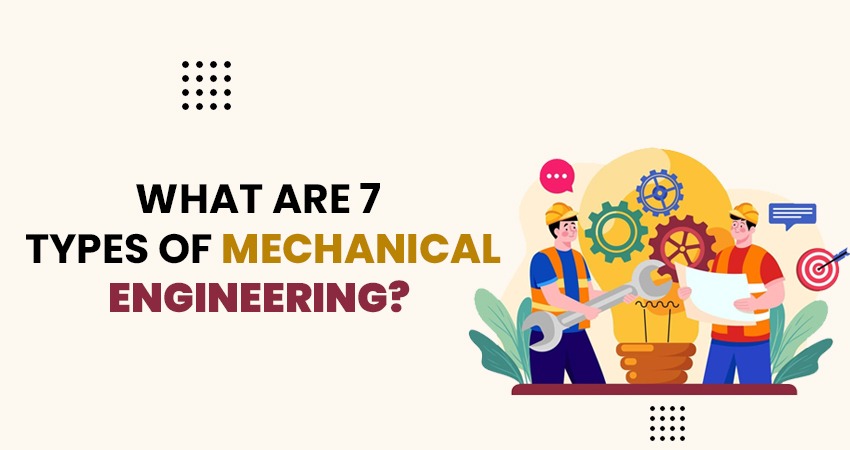
Mechanical engineering has a great deal of breadth. It affects nearly every aspect of modern life. From the vehicles we drive to the machines that build our cities, this domain fuels innovation. However, did you know that mechanical engineering comes in different types? How many types of mechanical engineering are there?
Welcome back to Engineer’s Heaven, where we look at the various avenues that engineers can follow. If you’re considering a career in mechanical engineering—or you’re just curious—this guide will help you understand the seven major branches of this field.
Automotive Engineering
The branch of engineering that deals with the design, development and production of vehicles is known as automotive engineering. Automotive engineers design and manufacture vehicles with a focus on safety, speed, and efficiency. They design engines, refine aerodynamics, and develop new materials to make lighter vehicles.
Automotive engineers are in demand as we move toward electric and self-driving cars. They are instrumental in determining the future and direction of transport.
Aerospace Engineering
Aerospace engineering involves the design and development of aircraft, spacecraft and satellites. These engineers help planes fly safely and rockets reach space without wasting energy.
They develop aerodynamics, propulsion systems and lightweight materials. Aerospace engineering is an exciting and growth-oriented field with the advent of space travel and commercial aviation.
Manufacturing Engineering
Manufacturing engineering consists entirely about manufacturing. It relates to designing, developing and improving manufacturing processes. Engineers who work in this area ensure that products are produced efficiently and with high quality.
From assembly lines to 3D printing, they optimize manufacturing processes to minimize waste and maximize productivity. Manufacturing engineers are needed across industries to manufacture the products that companies sell.
Thermal Engineering
Thermal engineering is about heat and energy transfer. It is an essential consideration in the design of power plants, engines, and HVAC systems.
Engineers in this field focus on improving energy usage efficiency. They create advanced cooling systems for electronics, enhance storage of energy, and develop sustainable energy alternatives such as solar energy.
Mechatronics Engineering
Mechatronics is a combination of mechanical, electrical and computer engineering. It is specialized in Smart machine and automation system design.
“Think robotics, self-driving vehicles, sophisticated manufacturing solutions. Mechatronics engineers design intelligent machines that sense, process, and actuate. This field is fundamental for sectors such as robotics, medical devices, or industrial automation.
Marine Engineering
Marine engineers plan and maintain vessels, submarines, and offshore structures. They develop propulsion systems, fuel efficiency and ship safety.
This area is vital for international commerce since the majority of goods are moved by water. Marine engineers are addressing the requirement for cleaner and more efficient ships through hybrid propulsion and alternative fuel sources.
Structural Engineering
Structural engineering, though often associated with civil engineering, is also an essential component of mechanical engineering. It covers strong and durable structures of designed elements.
Mechanical engineers in this branch deal with mega projects such as bridges, buildings, and industrial plants. They help ensure that structures are able to tolerate stress, vibrations, and extreme weather events.
Why Mechanical Engineering?
Career Opportunities in Mechanical engineering never end. It combines creativity, problem-solving, and technical know-how. No matter if your passion lies in cars, aircraft, robotics, or even energy, there is a route for you.
Welcome to engineers heaven, the ultimate destination for all things engineering! So start now with us and begin your engineering journey.
Visit us at Engineer’s Heaven.
(Disclaimer: This statistics could be different in different part of World and Different timeline. this statistics has been generated based on data available till 2025 or relavant time span.)

Robotics is shaping the world like never before. Robots have made a decisive entry into modern life, from industries to homes. But did you know different types of robotics have been designed to complete various jobs? Identifying these categories helps us understand how quickly technology is progressing.
Regarding Engineers Heaven, our mission is to educate and inspire by sharing knowledge about robotics, automation, etc. To understand this, we must dive into the seven types of Robotsand what they do.
Autonomous Mobile Robot (ARMs)
Mobile Robots (AMRs) can navigate the environment without human intervention. They are equipped with sensors, artificial intelligence, and machine-learning systems that enable them to navigate independently of direct human control.
These robots are commonly deployed in warehouses, hospitals, and even residences. They assist with logistics, surveillance, and delivery services. AMRs are used in warehouse automation, and companies like Amazon have leveraged their power to make their operations faster and smoother.
AGVs (Automated Guided Vehicles)
AGVs, on the other hand, follow a predefined path, unlike AMRs. They use tracks, magnetic strips, or predefined routes to transport goods.
AGVs are seen everywhere in factories and large warehouses. They expedite production by transferring materials without human involvement. Industries deploy them and use themto cut down on labor expenses and increase workplace safety.
Articulated Robots
Robots that have multiple joints make it possible to move precisely. That looks like a human arm , also called a robotic arm.
Articulated Robots Industrial robots are frequently seen in factories, welding job sites, painting job sites, and assembly lines. So, how does this make them suitable for repetitive action with extreme accuracy? They are critical in the automobile and electronics sectors.
Humanoid Robots
Humanoid robots have human appearance and human capabilities. They have arms, legs, and even facial expressions. They exist to converse with humans in the way we do.
These robots are employed in customer service, education, and even healthcare. This one is Sophia, a famous humanoid robot known for being an example of bringing AI into social situations. Humanoid robots help older adults; They accompany older people and support them.
Cobots (Collaborative Robots)
Cobots are not intended to substitute for human workers; rather, they are intended to work side by side with them. They help workers by doing dangerous or repetitive jobs.
Those robots are used every day in industries where safety and efficiency are concerned. They assist on assembly lines, in medical settings, and in research. Unlike traditional robots, cobots don't require protective enclosures. They detect the presence of humans and adjust to collaborate safely with them.
Industrial Robots
Industrial robots are designed for challenging work. They are robust, accurate, and don't tire after working hours.
Industrial robots are commonly used in the automotive, electronics, and metal industries. They do the lifting, cutting, welding, and packaging. Due to their standardization, industrial robots are an efficient way to ensure quality production while lowering costs. They form the backbone of contemporary manufacturing.
Swarm Robots
Swarm robotics is closer to nature, particularly of the social variety found in creatures such as bees or ants. Particular robots operate in groups, using basic rules to accomplish complex actions.
Nevertheless, swarm robots are employed in search and rescue, medical applications, environmental monitoring, etc. They can operate in hazardous environments where humans cannot even proceed. Cooperation makes them well-suited for significant accomplishments.
The Future of Robotics
The field of robotics is changing at a remarkable pace. Animal obesity is a big problem, but as AI and machines lessen, they'll become more intelligent and autonomous. The range of possibilities is vast, from self-driving cars to robotic surgeons.
In Engineer’s Heaven , We believe in being ahead of the curve. So, in case it helps, get lost in our deep ocean of information about the latest advancements in robotics and engineering. Engineers Heaven – Your Gateway to the Future of Technology for Students, Professionals, and Enthusiasts Join Engineers Heaven for more info on robotics and engineering and keep up with the automation revolution!
(Disclaimer: This statistics could be different in different part of World and Different timeline. this statistics has been generated based on data available till 2025 or relavant time span.)

Artificial intelligence is developing rapidly. New models challenge the old ones every few months. Some thoughts: A new competitor in AI is DeepSeek AI, which claims to compete with, if not beat, GPT models. But is it better? Let's break it down.
Technologies evolve daily, and we at Engineers Heaven strive to keep you updated with the latest tech trends. This guide will help you see how DeepSeek stacks up to GPT and which could be correct.
What is DeepSeek?
To address the urgent need for a versatile AI language, DeepSeek has been developed as a new AI model. It claims to be better, more efficient, and more accurate in reasoning than previous models. They say it processes information more swiftly and generates more precise responses.
Thisis increasingly built and trained in a way that suggests not purely predicting the next word but instead a deep connection with those words themselves. This lets it deal with complex ideas more effectively and produce responses that feel more human.
But is it better than GPT?
How Does GPT Work?
GPT (Generative Pre-trained Transformer) is the AI model of the hour and has been for the past few years. The most recent versions, including GPT-4, rely on considerable datasets to produce human-like answers. ChatGPT and similar LLMs are widely used in chatbots, content generation, coding, and customer support.
GPT's greatest strength is its adaptability. It does well with casual conversations, technical questions, storytelling, and more. However, it has occasional hiccups with factual accuracy and long-term memory.
DeepSeek vs. GPT: What Sets Them Apart
- Accuracy and Reliability
DeepSeek says its generative search provides more precise answers than GPT. It employs a different method of training to mitigate errors in accurate information. However, GPT is better tested and trusted by users.
- Reasoning Ability
DeepSeek's enhanced logical reasoning is one of its additional strengths. In some instances, it can also handle intricate instructions better than GPT. On the other hand, GPT is more informed as it trains on a lot of data.
- Creativity and Writing Style
GPT still retains an edge in creativity. Its reconciliation of more engaging and natural text makes it the best fit for content generation, storytelling, and marketing. While DeepSeek works wonderfully at technical, high-precision tasks, informal writing does not feel natural.
- Speed and Efficiency
DeepSeek aims to improve the speed and performance significantly. It can handle high volume and high velocity to use in real-time applications. GPT is also fast and leaves lags sometimes while handling complex queries.
- Availability & Accessibility
GPT is available on many platforms; DeepSeek has yet to take the world by storm. Many users and businesses are already using GPT-based tools, so it will be harder for DeepSeek to replace them.
Which One Should You Choose?
Whether you need DeepSeek or GPT is a matter of choice.
- Highly Technical Task: If you need high accuracy, you may prefer to go with DeepSeek.
- GPT is still the best option for creativity, natural conversations, and versatility.
Although DeepSeek might look attractive, GPT has succeeded well in different industries.
Final Verdict
DeepSeek may be a new, powerful AI model as it runs on a plethora of advanced search engine-level documentation. However, GPT is still the champion regarding versatility and user assimilation. DeepSeek has been shown to perform better in some use cases, but it still has a long way to go before it can completely replace GPT.
You should test both to find which works better for you and consider the cost of Deepseek vs Chatgpt.AI is advancing quickly, and subsequent versions may change the balance. Until then, keep reading about AI and tech!
For AI, programming, and tech innovations discussions from the experts, explore Engineer’s Heaven.
(Disclaimer: This statistics could be different in different part of World and Different timeline. this statistics has been generated based on data available till 2025 or relavant time span.)
Safety-critical systems are crucial in
industries such as healthcare, transportation, and energy. These are processes,
tools, and equipment where errors can mean a difference between life and death.
It follows that designing these systems requires careful planning, with human
factors and ergonomics, of course.
What Are Human
Factors and Ergonomics?
Human factors refer to how people
interact with systems, tools, and environments. It considers physical,
cognitive, and emotional capabilities. A branch of human factors is ergonomics.
Ergonomics focuses on designing tools, equipment, and processes to fit human
needs.
When applied to safety-critical systems,
these fields optimize design to reduce risks, prevent errors, and enhance
performance.
Why Are Human
Factors Important?
Humans are the central element in
safety-critical systems. Mistakes typically arise from inadequate system
design, not individual failure. Lack of communication, sleep deprivation, or
confusing interfaces cause accidents.
Think about aviation. Pilots make
decisions in an instant based on cockpit controls. A bad interface might delay
action or result in an inappropriate action. If designers pay attention to
ergonomics, they ensure controls are intuitive and simple to use, even when
there is stress involved.
Applications in
Safety-Critical Systems
Human factors and ergonomics are applied
across industries. Let's look at a few examples:
1. Healthcare
In hospitals, patient safety is
paramount. Medical devices such as ventilators or infusion pumps must have
clear instructions and error-proof designs. Complex interfaces can confuse even
trained professionals.
By applying ergonomic principles, devices
are designed with user-friendly controls. This reduces the risk of dosage
errors or device misuse.
2. Transportation
In transportation, whether on road, sea,
or air, safety is paramount. For instance, the train operators and pilots use
control panels to manage operations. Accidents may result from poorly labeled
buttons or unclear alerts.
Human factors ensure that control systems
are designed to fit how operators think and act. This reduces the chances of
errors and improves response times.
3. Energy Sector
Nuclear plants and oil rigs are high-risk
environments. Workers in these sectors rely on detailed procedures and control
systems. Misunderstanding or skipping steps can lead to catastrophic events.
Ergonomic designs in these industries
focus on creating systems that are easy to follow. Clear displays, logical
workflows, and error-checking features reduce risks significantly.
How to Implement
Ergonomics in Design
The incorporation of human factors into
the design process has to be systematic. Here’s how it works:
1. User-Centered
Design
It is necessary to engage the end-users
right from the design inception stage. Get to know their requirements and
constraints as well as issues. Hence there arises working systems which operate
quite effectively within the real world.
2. Task Analysis
Subdivision of activities or tasks.
Determine where the process is vulnerable to a slow down. Redesign to reduce
the complexity coupled with confusion.
3. Prototyping
and Testing
Make models of the designs and use them
in a real setting. Get responses and improvements on the design. Make it user
friendly and at the same time as safe as possible.
4. Continuous
Improvement
Design is not a one-off process. Closely
continue to supervise how the system operates and continue to ask users about
how it is doing. The insights must be used to make ongoing enhancements.
Advantages of
ergonomics in safety critical systems
1. Error
Minimization
Effective systems reduce the chances of
making an error. This eliminates risks thus enhancing safety.
2. Improved
Efficiency
If the tools and processes applied are
simple, the time required to complete a task is significantly reduced. It
allows the workers to concentrate on the important decisions hence enhancing
efficiency.
3. Improved User
Satisfaction
Good designs decrease frustration. People
have trust and satisfaction in systems. This results into increased
satisfaction and improved performance.
4. Cost Savings
This paper will highlight how avoiding
accidents and errors will result in saving of cash. He stated that it minimizes
failure time, legal risks, and expenses concerning the systems.
The Role of
Engineers in Safety-Critical Systems
Engineers play a crucial role in the
design of safe systems, combining technical knowledge with a strong
understanding of human factors to design systems that are robust, reliable, and
user-friendly.
As an engineer or future professional,
knowledge in the field of human factors and ergonomics is vital, thus making
safer, more effective systems.
For the expansion of knowledge of
engineers, sites like Engineer’s Heaven can be helpful. The site provides
tutorials, articles, and courses to help enhance your skills in any of these
areas.
Conclusion
Designing safety-critical systems
requires thought. We can create an environment where people work safely and
effectively by including human factors and ergonomics. These principles benefit
all industries, from healthcare to energy.
If you want to deepen your understanding
or explore related topics, visit Engineers Heaven. It’s your gateway to
professional growth and practical insights.
Take the step toward designing systems
that make a real difference. Safety begins with smart design.
(Disclaimer: This statistics could be different in different part of World and Different timeline. this statistics has been generated based on data available till 2025 or relavant time span.)
